
In 2026, the textile industry has shifted from simple "sustainability" to Regenerative and Circular Textiles. Key trends include Bio-based Spandex (made from corn or algae), Recycled Bridal Tulle, and Closed-Loop Cellulose fibers like Lyocell. For creators in the swimwear, bridal, and cosplay industries, success now depends on sourcing materials that offer high-performance durability without environmental cost.
1. Beyond Recycled: The Rise of Regenerative Textiles
For years, the gold standard was "Recycled Polyester" (rPET). In 2026, the industry has moved toward Regenerative Sourcing.
-
What it is: Fabrics made from raw materials that actually restore the soil they grow in.
-
Why it matters for Exquisite Fabric: Customers are looking for "Climate-Positive" labels. Look for cottons and linens grown via regenerative farming that improves biodiversity.
-
The Trend: Natural fibers are being blended with high-tech finishes to create "Climate-Adaptive" wear that breathes better than pure synthetics.
2. Next-Gen Stretch: Bio-Based & Biodegradable Spandex
The biggest challenge for Activewear and Swimwear brands has always been the "stretch." Traditionally, spandex (elastane) is petroleum-based and hard to recycle.
-
The 2026 Innovation: Bio-based Spandex derived from renewable biomass (like industrial corn or seaweed) is now mainstream.
-
Performance: These "Next-Gen" stretch fabrics offer the same 4-way recovery as traditional Lycra but are engineered to break down safely at the end of their life cycle, reducing microfiber pollution in our oceans.
3. Sustainable Splendor: Eco-Conscious Bridal & Formalwear
The Bridal and Eveningwear sector is seeing a massive surge in "Intentionally Sourced" luxury.
-
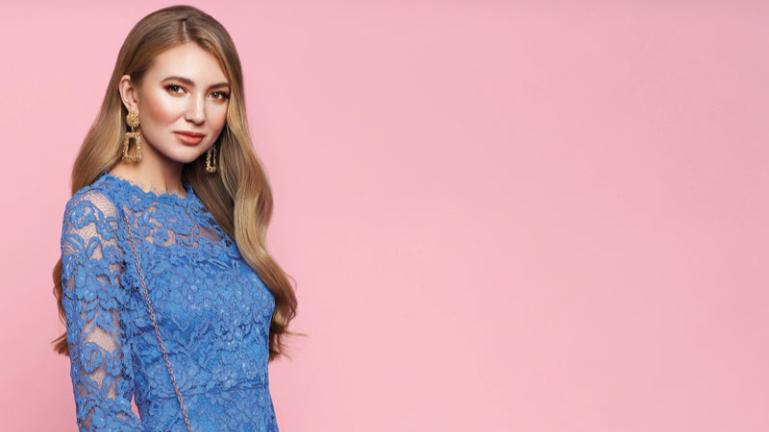
Recycled Tulle & Lace: We are seeing a move away from virgin nylon toward Recycled Polyamide for tulles. This provides the same ethereal "drop" and drape for veils while reusing post-consumer waste.
-
Ahimsa (Peace) Silk: For the luxury bridal market, Peace Silk—where silkworms are allowed to emerge from their cocoons naturally—is the preferred choice for the ethical 2026 bride.
-
3D Floral Textures: Sustainable bridal lace is getting bolder. Expect to see 3D appliqués made from biodegradable wood-pulp fibers (like Tencel) that provide architectural structure without the plastic feel.
4. The "Human Touch" in the Age of AI
As AI-generated fashion becomes more common, consumers are craving Tactile Reality.
-
Textured Decor: 2026 is the year of Bouclé, Heavy Jacquards, and Raw Denims. These fabrics feel "real" and artisanal.
-
Cosplay & Costume: The trend is shifting toward "Long-Wear Cosplay"—using durable, high-quality Faux Leathers (PU) and heavy-weight Scuba that can survive multiple conventions, moving away from "single-use" costume culture.
Expert Tips for Sourcing in 2026
-
Check the GSM: For sustainable swimwear, ensure a weight of 190-230 GSM to guarantee the fabric lasts for years, not just one season.
-
Verify the Loop: Only source "Closed-Loop" Lyocell, where 99% of the solvents used in production are recovered and reused.
-
Prioritize Durability: The most sustainable fabric is the one that doesn't need to be replaced. At Exquisite Fabric, we prioritize high-tensile strength in all our performance textiles.